

Introduction to Mini LED Display Technology
What Mini LED is, why chip sizes of 50 to 200 μm improve local dimming, how substrates compare, and how reliability testing supports automotive use.
On this page
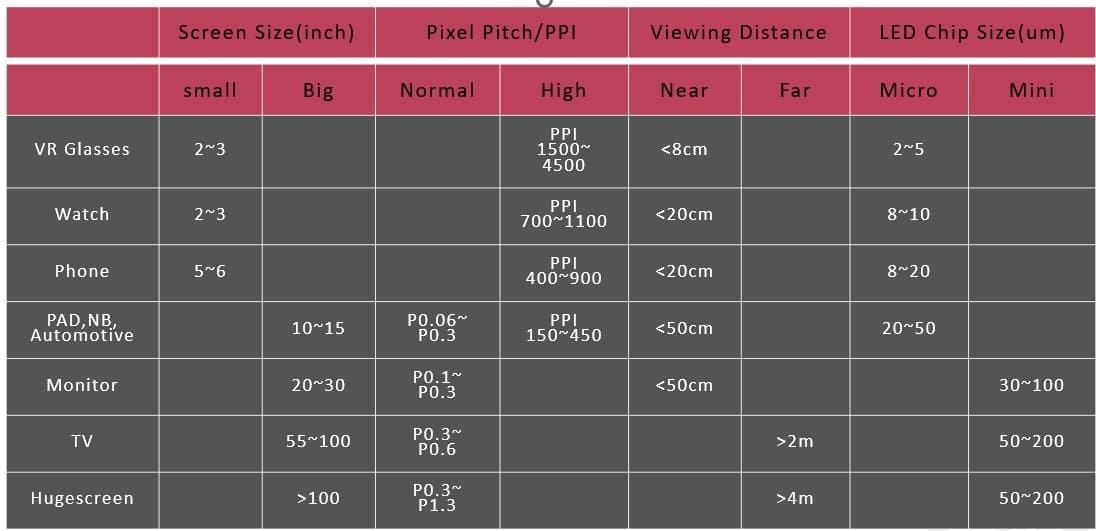
Mini LED, also known as “sub-millimeter light-emitting diode,” is a type of LED chip with a much smaller size. Typically, the chip size of a Mini LED ranges from 50 to 200 μm. This means that within the same area, Mini LEDs can accommodate a greater number of light beads, allowing for more precise local dimming control.
Mini LED technology was initially widely used in the television industry. However, in recent years, as backlight technology has continued to advance and the size of LED chips has been reduced to 50 μm, the application of Mini LED backlighting has gradually expanded from TVs (suitable for long-distance viewing) to monitors, which are better suited for close-up use.
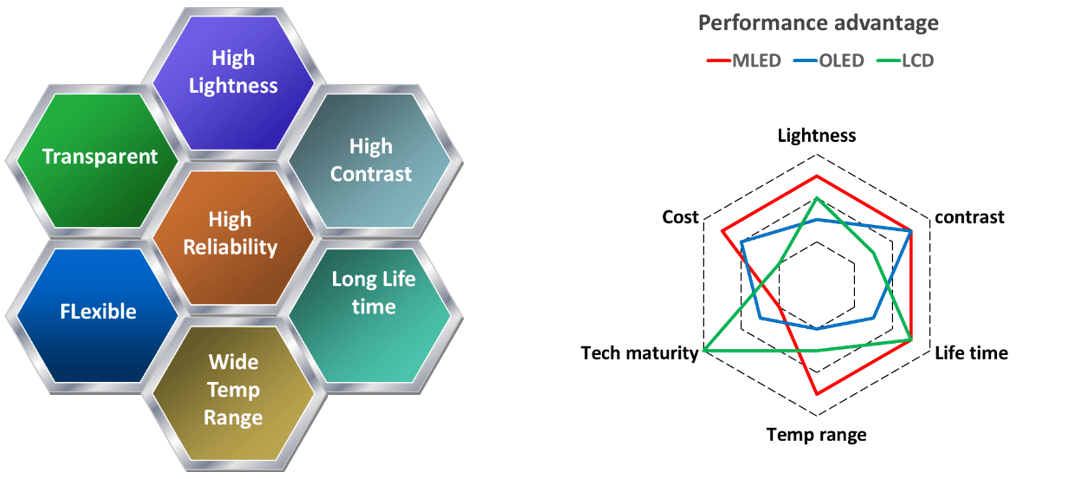
Compared to traditional monitors, Mini LED displays offer more refined image quality, higher brightness, and a thinner form factor. They fully retain the RGB primary colors, resulting in better color integrity and a wider color gamut, with contrast levels approaching those of OLED displays. Since Mini LEDs are smaller than conventional LEDs, they enable more precise control of the LCD panel’s backlight. When combined with advanced local dimming technology, this results in significantly higher contrast. As a result, Mini LED displays are notably thinner. All these advantages make Mini LED an ideal choice for professional display applications where color accuracy, resolution, and overall performance are critical.
Essentially, Mini LED still falls under the category of LCD screens, consisting of a backlight module, liquid crystal layer, color filter, and other components. The backlight module serves as the primary light source and is made up of many LED beads arranged in sequence. The most noticeable difference between Mini LED and traditional LCDs lies in the size of the LED beads: Mini LED panels can accommodate significantly more LEDs within the same panel size, resulting in a substantial boost in display brightness.
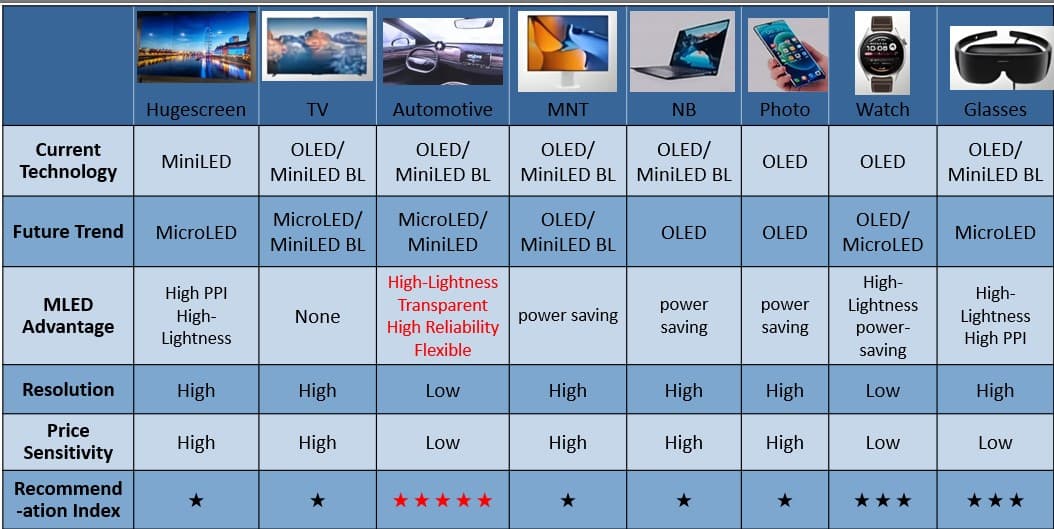
Mini LED has already become the best current option and is considered a transitional technology from small-pitch LED to Micro LED in the long term. Compared to small-pitch LEDs, Mini LED displays offer smaller LED chip sizes, denser LED arrangements, and higher resolution (PPI), making them particularly suitable for large-size 4K/8K LED TVs.
-
Advantages of Mini LED
-
Requirements of Display Products
-
Trends of Display Products
-
Technology Route: Smaller LED Chips

-
Different Substrates Comparison for Mini LED
-
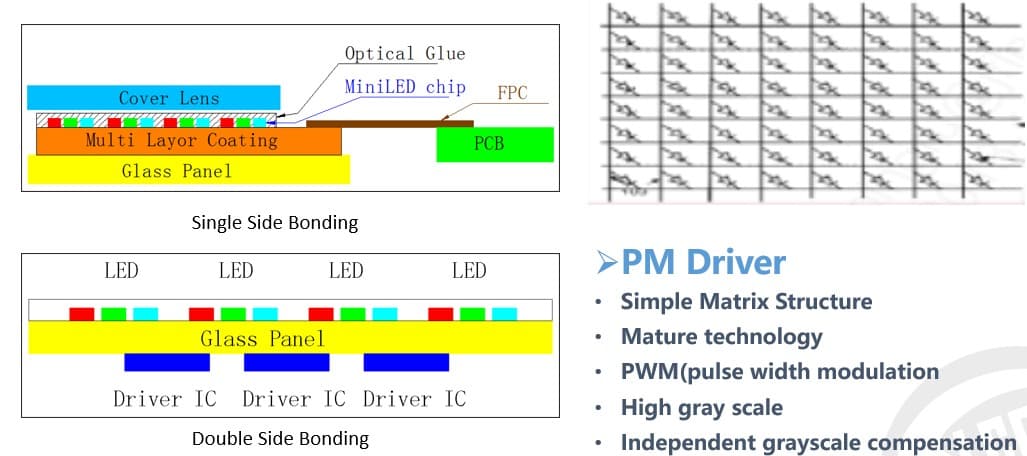
Glass Substrate Structure for Passive Mini LED
-
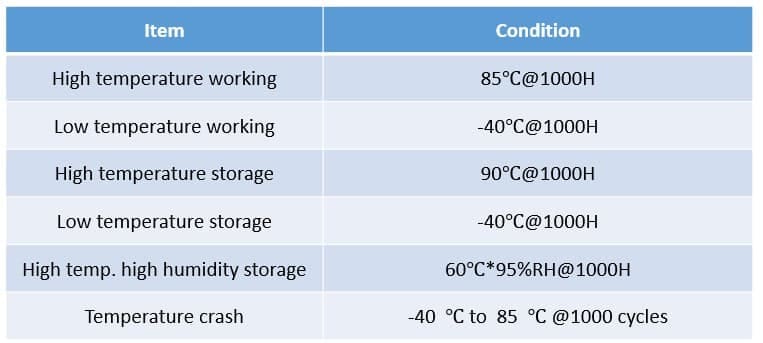
High Reliability Tests for Mini LED to Enable the Technology Used in Automotive
-
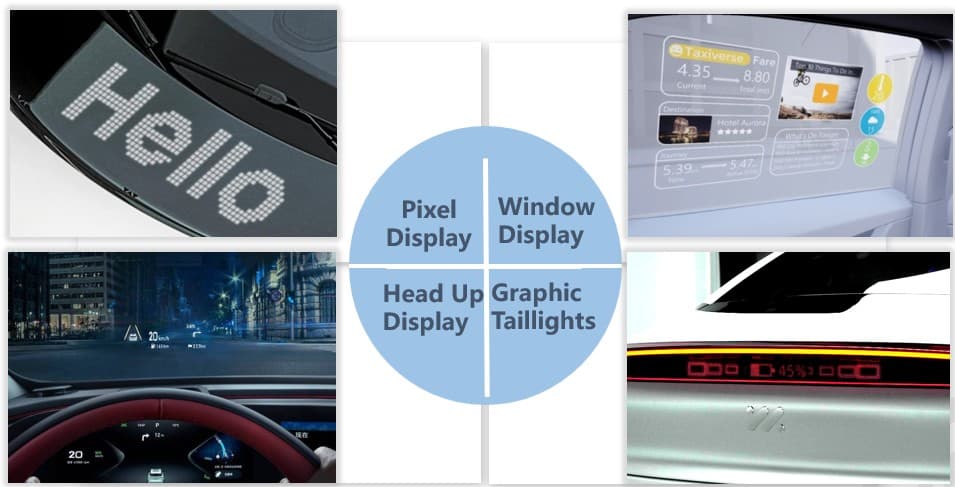
Examples of Mini LED used in Automotive Applications

If you have any questions, please contact our Orient Display engineers.
Frequently asked questions
What is Mini LED?
Is Mini LED a different display type from LCD?
What are the advantages of Mini LED over traditional monitors?
Where is Mini LED used?
How does Mini LED compare with small-pitch LED and Micro LED?
New engineering articles by email.
Keep reading
TFT Displays
Display FundamentalsWhat Is an LCD and How It Works
Display FundamentalsLCD Viewing Angle, Viewing Direction, and Contrast
Display TechnologiesUnderstanding a-Si, IGZO, LTPS, and LTPO Display Technologies
Display TechnologiesNovel Custom Color Display Designs
Display TechnologiesLCD Touchscreen Module Mura (Defect) and Solutions
Have a display project in mind?
Talk to an engineer about the display your application needs.